

How to Prevent Roof Leaks: A Complete Guide to Keeping Your Roof Dry & Secure
A leaking roof can start as a small inconvenience—but quickly turn into a costly nightmare. From water-stained ceilings to mold, structural damage, and insurance headaches, roof leaks compromise your property’s safety, comfort, and value. The good news? Most roof leaks are entirely preventable with routine care and the right strategies.
Whether you own a commercial property or a home in Houston’s unpredictable weather, here’s everything you need to know about how to prevent roof leaks before they start.
Why Roof Leaks Happen in the First Place
Understanding the causes is the first step to prevention. Roof leaks are commonly triggered by:
- Aging roofing materials
- Storm or hail damage
- Clogged gutters
- Damaged flashing or vents
- Improper installation
- Standing water (especially on flat roofs)
- Lack of regular maintenance
In humid, high-rainfall areas like Houston, even minor vulnerabilities can quickly turn into full-blown leaks.
1. Schedule Regular Roof Inspections
The #1 way to prevent roof leaks is to inspect your roof at least twice a year—and after any major storm.
A professional inspection can detect:
- Loose, cracked, or missing shingles
- Exposed nails or deteriorated seals
- Soft spots, blisters, or pooling water
- Early signs of moisture intrusion
At YO Roofing Houston, we use drone imaging, moisture meters, and thermal cameras to catch potential problems before they become expensive repairs.
2. Keep Gutters and Drains Clean
Clogged gutters are a leading cause of roof leaks. When water can’t drain properly, it backs up and seeps under your shingles or into the roof structure.
✅ Prevention Tips:
- Clean gutters and downspouts every season
- Install gutter guards to prevent debris buildup
- Ensure flat roofs have clear drainage points
3. Check Flashing and Seals Regularly
Flashing (the thin metal used around roof penetrations like vents, chimneys, and skylights) is a common weak spot. When it cracks, lifts, or corrodes, it creates a direct path for water intrusion.
✅ Prevention Tips:
- Inspect flashing annually for rust, cracks, or lifting
- Re-seal or replace flashing as needed
- Use high-quality, weather-resistant sealants
4. Replace Damaged or Missing Shingles Promptly
If a storm rips off a few shingles or you notice ones that are curling, buckling, or cracking, don’t ignore it. Missing shingles expose the waterproof barrier underneath to rain and UV damage.
✅ Prevention Tips:
- Replace compromised shingles immediately
- Choose storm-rated or impact-resistant shingles
- Monitor roof granules in gutters—they indicate shingle wear
5. Maintain Proper Attic Ventilation and Insulation
Moisture doesn’t just come from outside—it also rises from inside your home. Without proper ventilation, your attic can trap heat and moisture, leading to condensation and roof rot.
✅ Prevention Tips:
- Ensure attic ventilation meets code
- Use vapor barriers and proper insulation
- Check attic regularly for mold or dampness
6. Trim Trees and Remove Debris
Overhanging trees can drop leaves and branches onto your roof, blocking gutters and damaging shingles. In Houston, high winds can send limbs crashing into your roof.
✅ Prevention Tips:
- Keep tree branches trimmed at least 6 feet from the roof
- Remove fallen debris immediately
- Consider installing protective roof edging
7. Invest in Professional Roof Maintenance
A proactive maintenance plan saves thousands in emergency repairs. A professional roofer can spot subtle warning signs and address small issues before they escalate.
✅ Maintenance may include:
- Sealant touch-ups
- Flashing reinforcement
- Drainage optimization
- Shingle repairs
- Roof coatings for flat roofs
8. Install Waterproof Underlayment
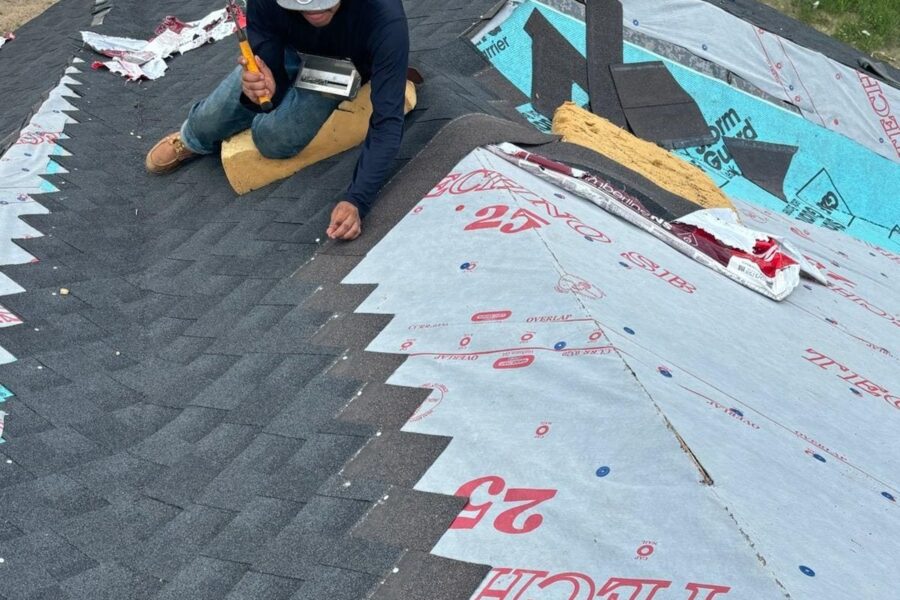
Especially in hurricane-prone regions, a waterproof underlayment beneath your shingles provides an extra barrier against leaks—even if the outer layer is damaged.
✅ Ask your roofer about synthetic or peel-and-stick underlayment, which can outperform traditional felt in leak prevention.
9. Know the Warning Signs of a Developing Leak
Early detection saves money. Watch for these red flags:
- Water stains on ceilings or walls
- Dripping during or after rain
- Mold or mildew smells in attic
- Curling or discolored shingles
- Visible roof sagging or soft spots
If you spot any of these, call a professional immediately—delays only make it worse.
10. Use Quality Roofing Materials & Experienced Installers
Even the best maintenance won’t help a poorly installed roof. Leaks often come down to cheap materials or inexperienced labor.
✅ Prevention Tips:
- Hire licensed, local roofing experts (like YO Roofing Houston)
- Choose impact- and weather-rated materials
- Don’t cut corners—quality pays off long-term
Conclusion: Protect Your Property Before the Leak Starts
Roof leaks aren’t inevitable—they’re preventable. With Houston’s unpredictable weather, taking a proactive approach to roof maintenance is the smartest way to safeguard your investment, whether it’s your home or business.
At YO Roofing Houston, we specialize in leak prevention through detailed inspections, high-tech diagnostics, and expert repairs. Our commercial and residential roofing services are backed by decades of experience and hundreds of satisfied customers.
Need a Leak Prevention Plan?
📞 Contact YO Roofing Houston today for a FREE inspection and peace of mind you can count on.
✅ Serving Greater Houston with honesty, integrity, and top-tier craftsmanship.