

Why Shingles Lose Granules: What It Means & When to Worry
Asphalt shingles are one of the most common roofing materials in the U.S., known for their durability and cost-effectiveness. But over time, even the best shingles will begin to show signs of wear—most notably by shedding their protective granules. While it’s natural to find some granules in your gutters, excess granule loss can signal more serious issues.
In this article, we’ll explain what shingle granules are, why they come off, what’s considered normal, and when it’s time to call a roofing expert.
What Are Shingle Granules?
Granules are the small, sand-like particles that coat the surface of asphalt shingles. These tiny pieces of crushed stone and minerals serve several important functions:
- UV Protection: They block harmful ultraviolet rays from degrading the asphalt layer beneath.
- Fire Resistance: They enhance the fire resistance of your roofing system.
- Aesthetic Appeal: Granules give shingles their color and texture.
- Weather Protection: They add an extra layer of armor against rain, hail, and wind.
Without granules, shingles would break down much faster under the harsh Texas sun or pounding Houston storms.
Is Granule Loss Normal?
Yes—in small amounts. New roofs often shed granules shortly after installation due to excess material that didn’t fully bond during manufacturing. This is completely normal and typically doesn’t impact performance.
However, consistent or excessive granule loss, especially on older roofs, may be a sign of aging or damage.
Top Reasons Why Shingles Lose Granules
Let’s dive into the common causes of granule loss and what they might mean for your roof:
1. Age and Weathering
The #1 cause of granule loss is natural aging.
Over time, exposure to sun, wind, rain, and temperature fluctuations wears down the adhesive holding the granules in place. As the asphalt layer becomes brittle, granules loosen and fall off.
✅ Signs it’s age-related:
- General uniform loss across large roof sections
- Roof is 15–25 years old
- Discoloration or fading
2. Storm Damage
Strong winds, heavy rain, and hail can all cause granule loss—even on relatively new roofs. Hail is especially damaging, as the impact dislodges granules and weakens the shingle’s structure.
✅ Storm-related granule loss indicators:
- Pitting or indentations on shingles
- Granule piles in downspouts after storms
- Isolated areas of damage
3. Poor Ventilation
Improper attic ventilation can cause heat to build up under the roof, essentially “baking” the shingles from underneath. This leads to premature deterioration of the asphalt and increased granule shedding.
✅ What to look for:
- Warped or curling shingles
- Hot attic in summer
- Moisture or mold near rafters
4. Manufacturing Defects
Occasionally, shingles come from the factory with adhesive or coating issues. These defective shingles may begin shedding granules prematurely—even within the first few years.
✅ Clues it’s a defect:
- Random patches of granule loss
- Roof still under warranty
- Uniform issues across the same batch of shingles
5. Foot Traffic or Improper Installation
Walking on your roof—or dragging equipment across it—can cause abrasion that scrapes off granules. Similarly, roofers using poor installation methods (like overdriving nails) can compromise the shingle’s integrity.
✅ Signs:
- Localized granule loss near vents or chimney
- Shingles cracking or coming loose
- Roof recently installed or worked on
When Should You Be Concerned?
Some granule loss is normal, but if you notice any of the following, it’s time to schedule an inspection:
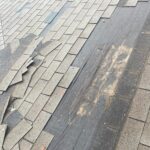
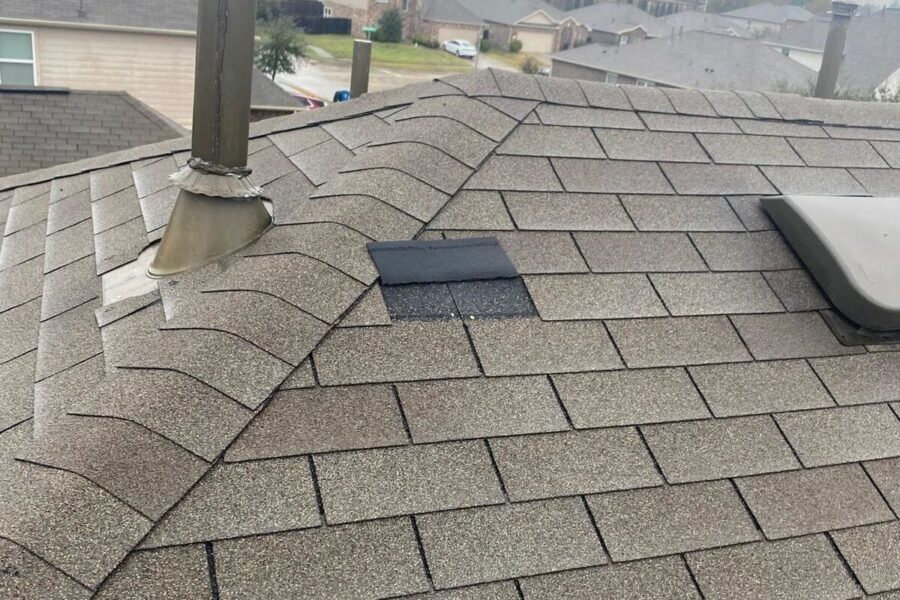
- Bare spots or dark patches on your roof
- Granules accumulating rapidly in gutters
- Curling, cracking, or brittle shingles
- Interior leaks or water stains
Ignoring granule loss can lead to exposed asphalt, allowing moisture to seep in and cause roof deck rot, mold growth, and insulation damage.
How to Prevent Excess Granule Loss
✅ Schedule routine roof inspections (twice a year or after major storms)
✅ Ensure proper attic ventilation
✅ Use high-quality shingles with UV resistance
✅ Limit foot traffic on the roof
✅ Keep gutters clean to monitor granule levels
What to Do If Your Shingles Are Losing Granules
If you suspect your roof is shedding granules excessively, don’t wait. The problem could escalate quickly—especially in areas like Houston where extreme heat and weather events accelerate wear.
A professional roofing inspection from YO Roofing Houston includes drone imaging, moisture detection, and thermal scans to determine whether you need repairs, a shingle replacement, or just simple maintenance.
Conclusion
Granule loss is an early warning system your roof provides—don’t ignore it. Whether due to age, storm damage, or installation issues, losing these protective particles puts your entire roofing system at risk.
At YO Roofing Houston, we specialize in extending roof lifespan through proactive maintenance and detailed inspections. If you’ve noticed loose granules, call our experts today for a free, no-pressure consultation.
Need your shingles checked?
📞 Contact YO Roofing Houston today — protect your roof before the damage spreads.